Eye exams, glasses, contact lenses, and medical eye care with Dr. Mirkin and our optical team.
Comprehensive eye exams
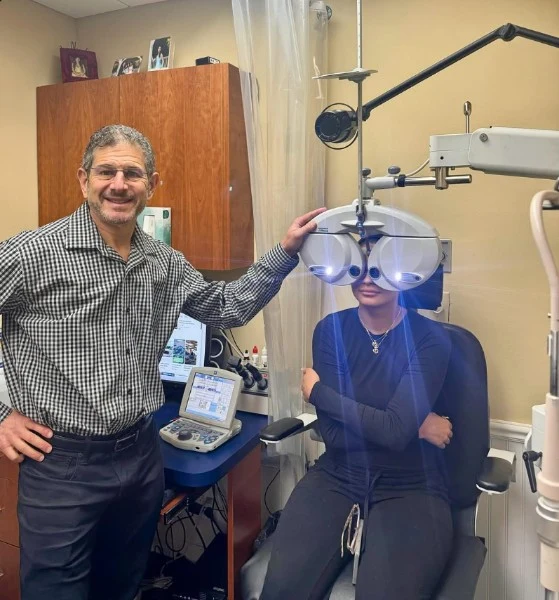
A closer look at your vision and your eye health. Dr. Mirkin takes time to check your prescription, evaluate your eyes, and talk through your questions.
Your exam checks your prescription, how your eyes work together, and the health of your eyes. We use diagnostic technology to look for signs of conditions such as glaucoma, cataracts, dry eye, and retinal disorders. Dr. Mirkin explains the findings and your next steps, with time for questions.
Explore how the same familiar view can change. Choose a condition, then move the divider to compare.
Clear viewCataracts
Move the divider with your finger, mouse, or arrow keys.
Clear view
Start with the original photograph of Rockaway Beach. Clear sight alone does not rule out an eye condition; some conditions have no noticeable symptoms at first.
Diabetes can damage blood vessels in the retina. Early stages may have no symptoms; later changes can include blurred vision, dark spots, or floating streaks.
Nearsightedness, farsightedness, and astigmatism affect how light focuses in the eye. They can make objects look blurry. Glasses or contact lenses can often help.
Age-related macular degeneration affects central vision. Details can look blurred or missing, and straight lines may appear wavy. Side vision usually remains.
Floaters can look like translucent threads, rings, or small specks, especially against a bright sky. They drift as your eyes move. Move across the photograph to see an example.
Soft, irregular threads and specks drift over an otherwise sharp view.
A sudden increase in floaters, flashes of light, or a curtain-like shadow needs urgent attention from an eye doctor or emergency department.
With age, the eye’s lens becomes less flexible, making close work harder. Compare the blurred pages of the nearby book with the clearer boardwalk in the distance.
Nearsightedness makes distant objects harder to focus on. Here, the nearby book stays clearer while the people, benches, and coastline become harder to distinguish.
Also called hyperopia or farsightedness, this can make close work blurry or tiring. Higher amounts may affect distance vision too. This example blurs the book more strongly than the distant boardwalk.
This red–green color vision difference involves the medium-wavelength cones. Reds and greens become harder to distinguish, with a different brightness pattern from protanopia.
This less common color vision difference involves the short-wavelength cones. Blues and greens, and some yellow, pink, purple, and red tones, become harder to distinguish.
Illustrations only. Symptoms vary, and these examples cannot diagnose a condition or reproduce anyone’s exact vision. An eye exam can check for changes you may not notice.
Good glasses start with the right fit. Our licensed opticians help you choose lenses and frames for your prescription, features, and everyday life.
Choose from single-vision, bifocal, progressive, and specialty lenses, with lightweight and thinner lens options for your prescription. Our optometrist and licensed opticians guide you through the choices. Each finished pair is measured, inspected, and adjusted for you.
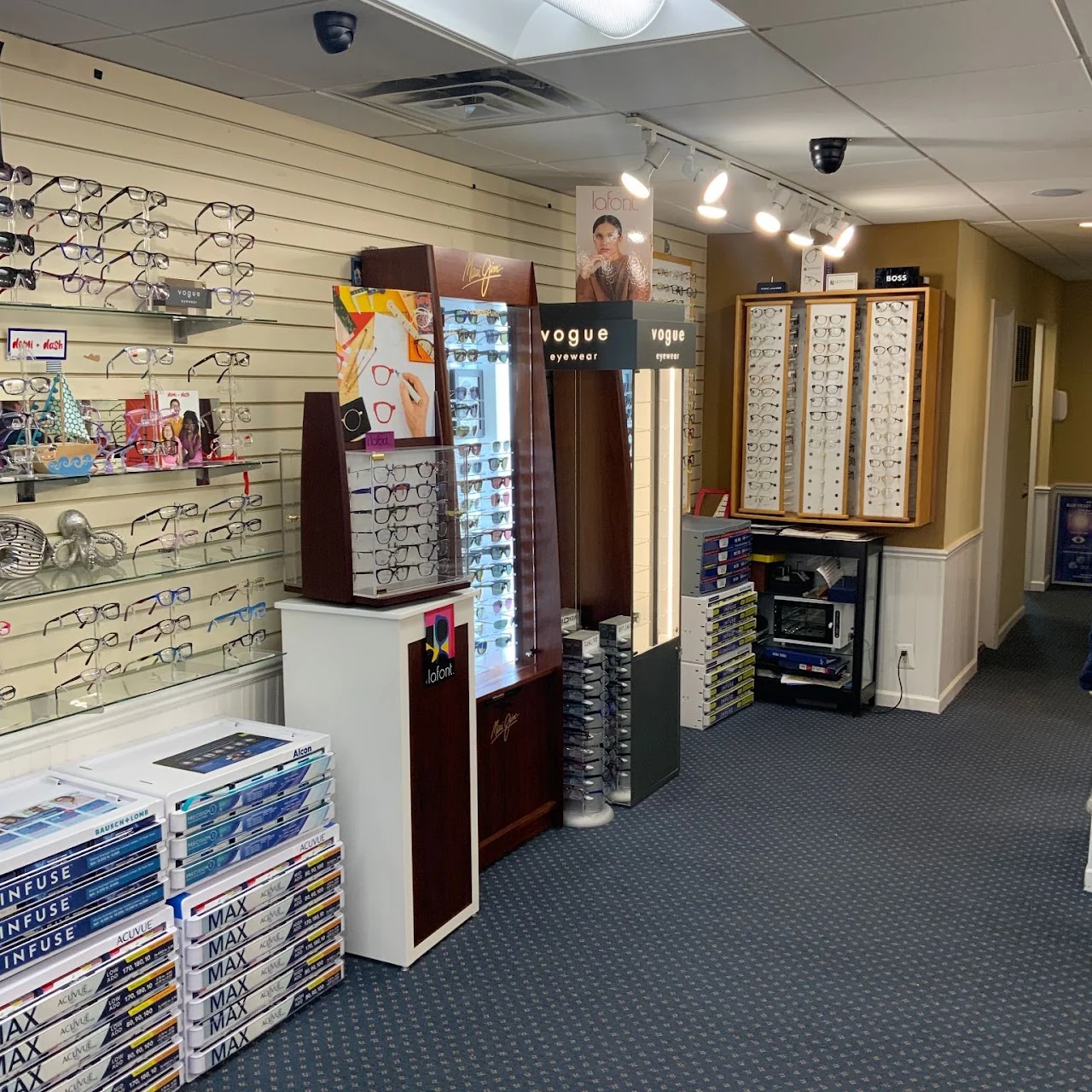
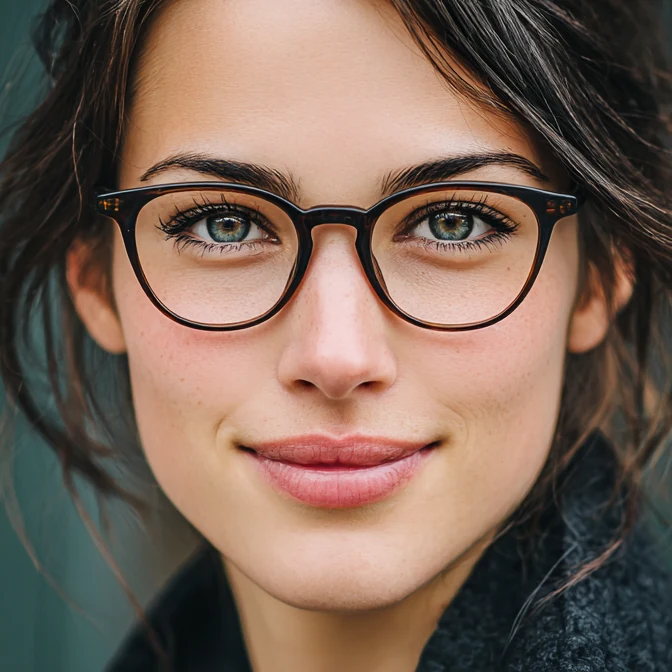
Browse everyday frames and sunglasses with our licensed opticians, including prescription and non-prescription options.
Our collection includes Ray-Ban, Maui Jim, Lafont, and other designers. Visit the practice to explore current styles and discuss prescription and non-prescription sunglasses.
Contacts should suit your eyes and your routine. We fit everyday and specialty lenses, with personal guidance for new and experienced wearers.
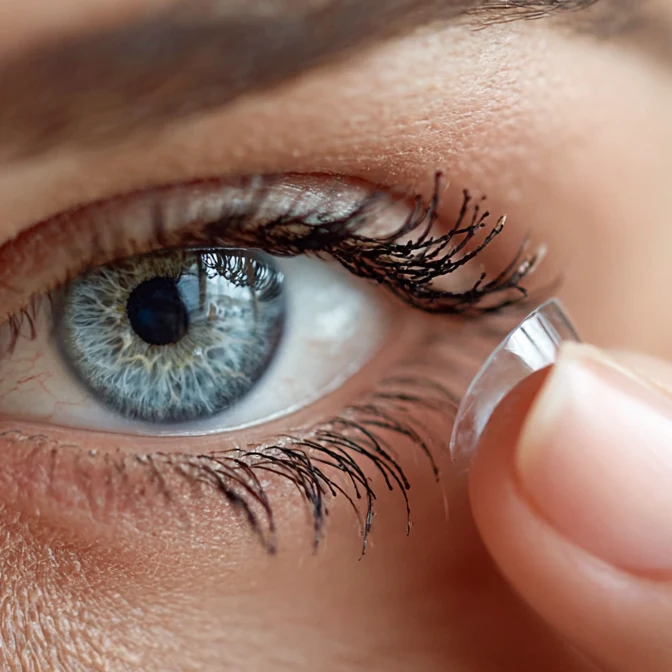
Options include daily disposable lenses, toric lenses for astigmatism, multifocals, and specialty fittings such as scleral lenses and corneal reshaping. Dr. Mirkin recommends lenses based on your eyes and routine. New wearers receive hands-on instruction in insertion, removal, and lens hygiene.
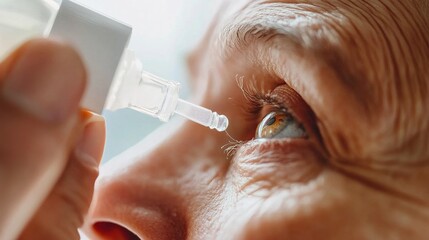
When your eyes feel dry or uncomfortable, start with a conversation and a thorough evaluation. Your care plan is tailored to your needs.
An evaluation looks at your symptoms, tear film, eye health, and possible environmental or medical contributors. Depending on the findings, care may include lubricating treatments, prescription medication, or changes to your daily routine, with follow-up to check your comfort.
For children and young adults with nearsightedness, we offer myopia consultations and discuss options for ongoing care.
Dr. Mirkin assesses your child's vision and changes over time, then discusses options that may include specialty contact lenses, Myopia control eyeglass lenses such as Stellest Lenses, or nightly eye drops. He explains the care involved so your family can make an informed decision. Treatment and follow-up depend on an individual evaluation.
Glasses slipping or feeling uncomfortable? Our optical team can check the fit and make adjustments to help them sit comfortably.
Bring your glasses to the practice so our opticians can look at the frame and discuss what can be adjusted. Call or text ahead to arrange a visit and ask about your particular pair.